Recognition
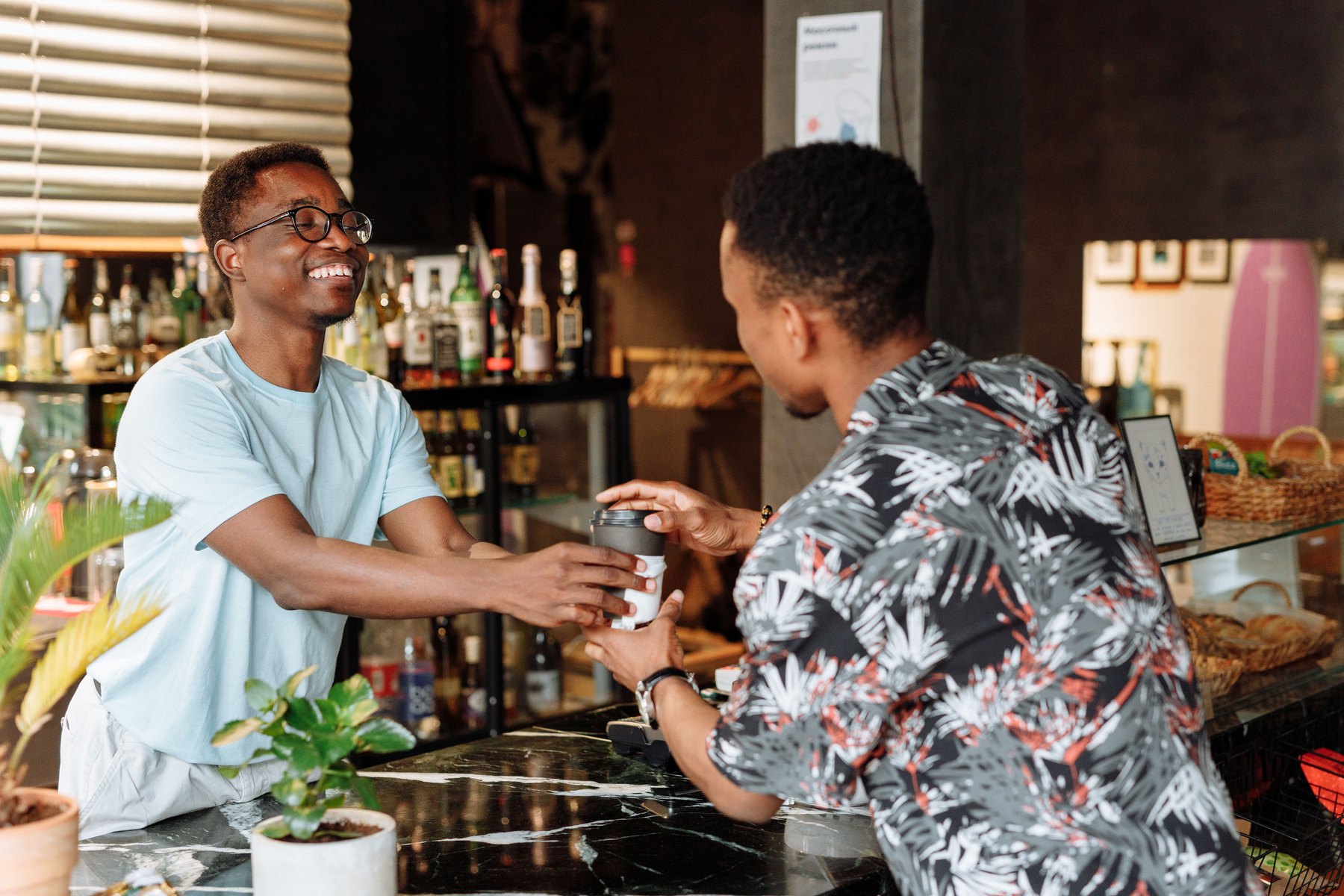
Customers want to be seen and valued.
From a birthday message to remembering their last purchase, recognition is about showing customers you actually know them.
“Show me you know me.”
- Birthday rewards
- Name-based greetings
- Loyalty tiers

Featured framework
As the longest-serving loyalty-first platform, we created the 5 Loyalty Languages from what we have seen work across thousands of programs: the five ways customers actually experience loyalty, and how to speak all of them rather than shouting one.
Watch the short version, then read the framework below.
The problem
For many business owners, loyalty is something you check off the list. You sign up for a POS add-on or launch a punch card program and call it done. The problem is, those solutions rarely move the needle.
Customers are inundated with offers and promotions every day. If your loyalty program is just a discount engine, they will ignore it, or worse, they will jump ship as soon as a competitor offers a slightly better deal.
Meanwhile, merchants feel stuck. They know they need to do loyalty, but they are not sure how to make it stand out. They launch programs that look just like everyone else’s, then wonder why customers do not seem to care.
It is not that points and discounts are bad. They are just incomplete. A true loyalty program needs to be rooted in strategy, not just mechanics. That means understanding what your customers actually value and designing your program to meet those desires in a way that feels personal, consistent, and brand-aligned.
Our perspective is simple: loyalty is not a checkbox. It is a practice. And like any practice, it requires intention, consistency, and the right framework to guide it.

Loyalty only works when it is human.
Customers do not just want discounts. They want to feel seen, valued, and connected, and that is what separates a program people use from one they forget they joined.
The framework
The inspiration for our framework comes from a familiar place: the Love Languages. Just as people express and receive love in different ways, customers experience loyalty in different ways. Some want to be recognized for who they are. Some want to be rewarded fairly for their purchases. Some want everything to be as seamless as possible. Others want the feeling of exclusivity, of being an insider. And almost everyone wants clear, timely communication. Here are the five.
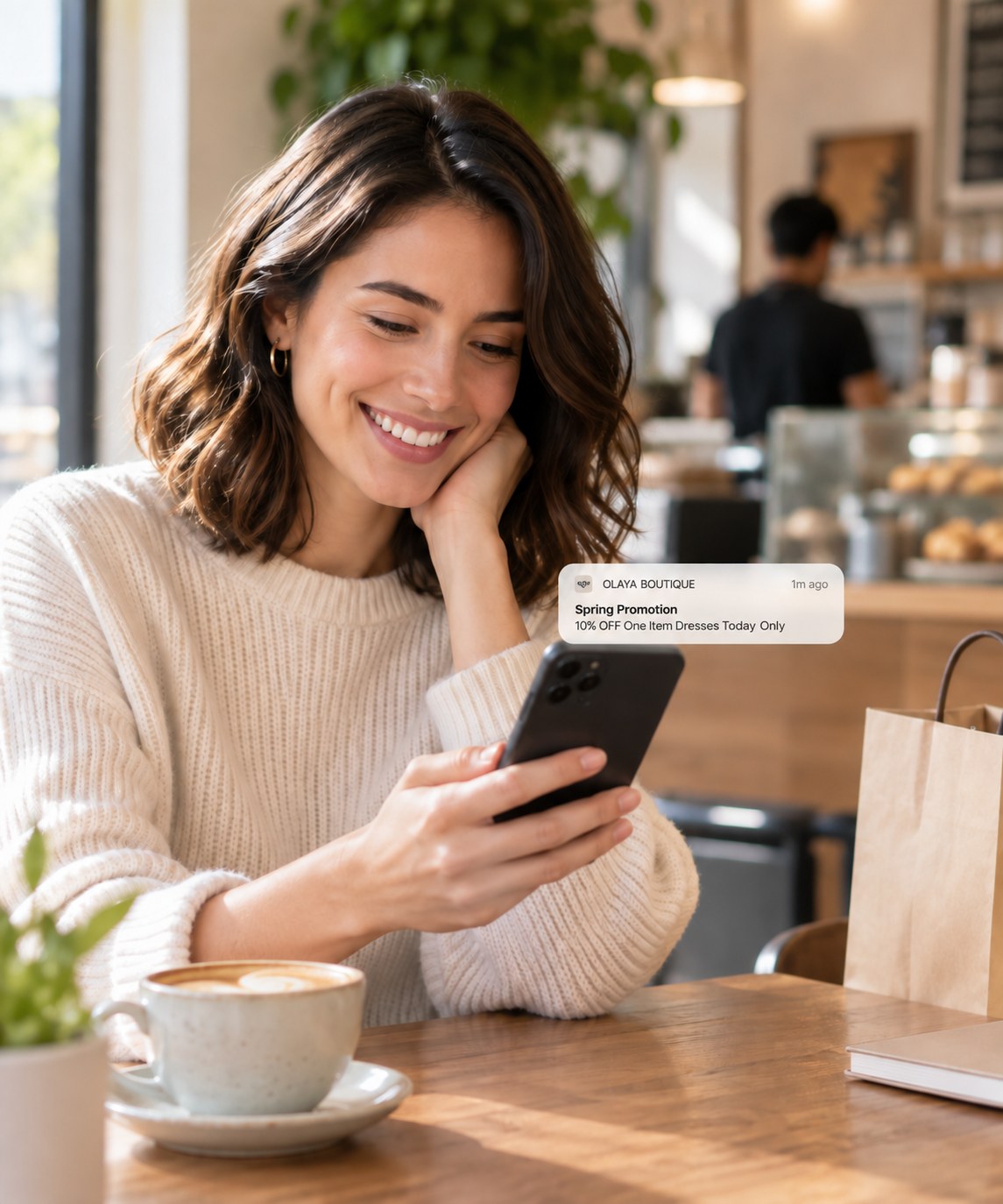
Customers want to be seen and valued.
From a birthday message to remembering their last purchase, recognition is about showing customers you actually know them.
“Show me you know me.”

Customers expect a fair give-and-get.
They want to feel that their loyalty pays off in ways that are meaningful, fun, or even surprising.
“I expect a little something back.”

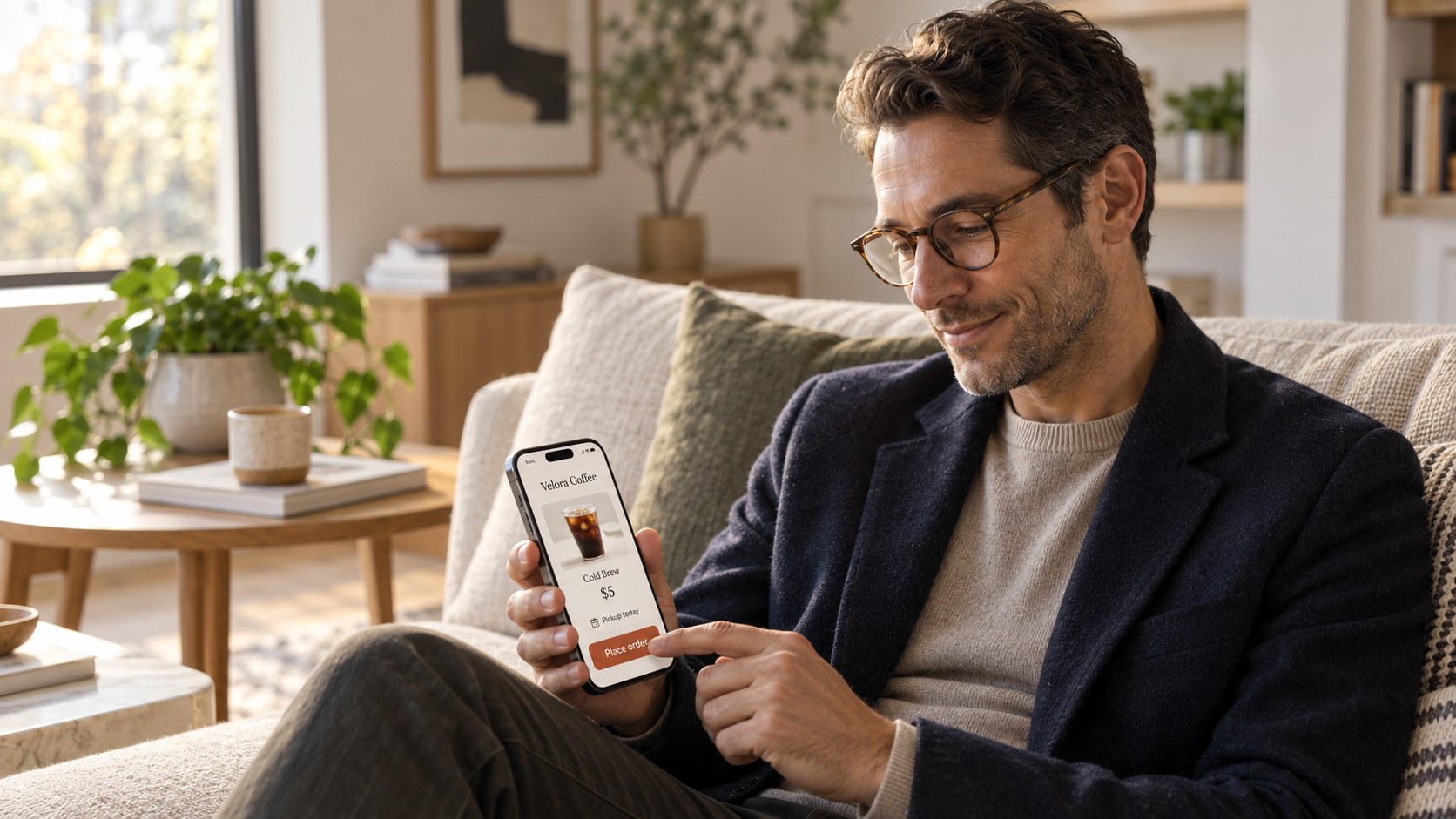
Customers want everything to feel seamless.
The easier you make it to buy, earn, and redeem, the more likely they are to stay engaged.
“I want everything to feel seamless.”

Customers want to feel like insiders.
They want perks, VIP experiences, and early access to specials that make them feel part of something bigger.
“I want to feel like I’m a part of something.”

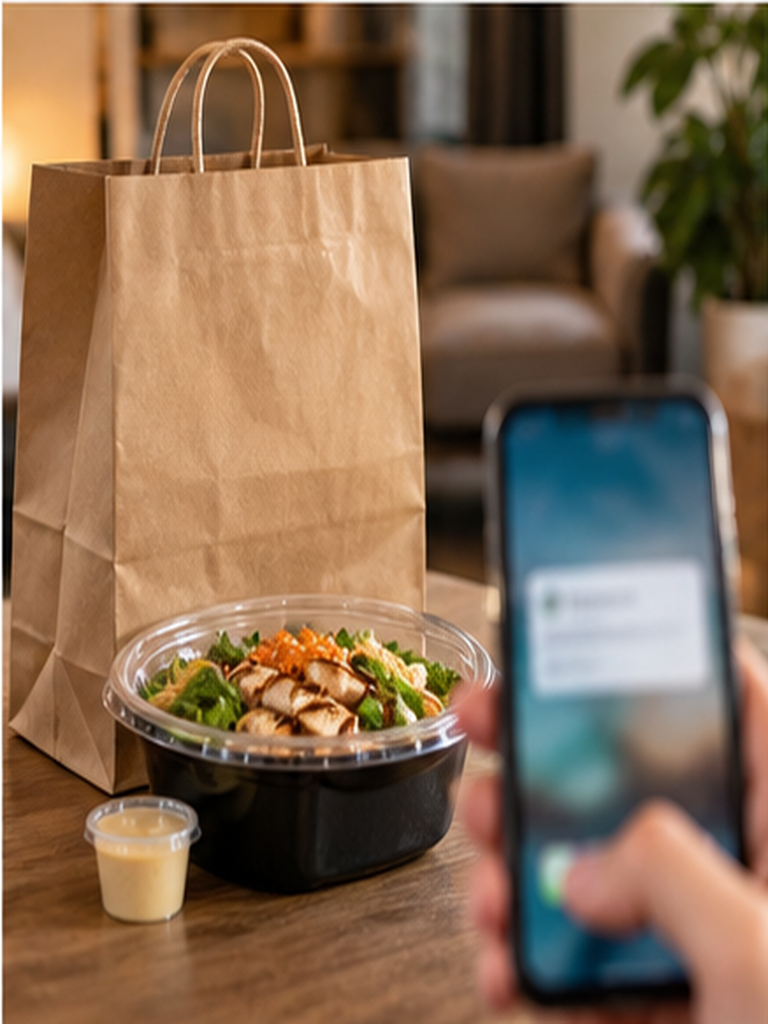
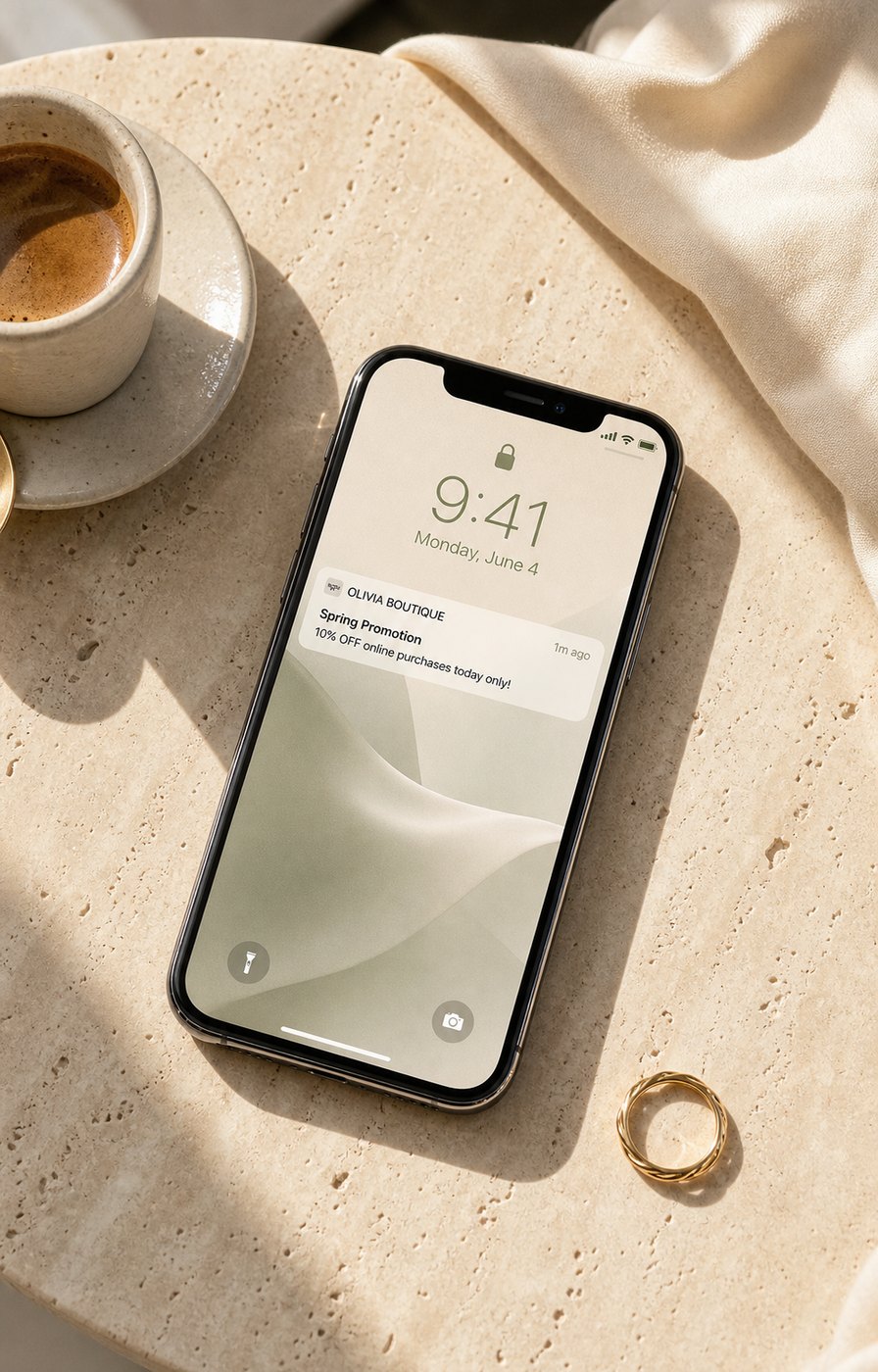
Customers want relevant updates, not spam.
They want timely, personalized messages that help them get more value from your business.
“Keep me informed on what matters to me.”

Together, these five Loyalty Languages form the foundation of a loyalty strategy that actually works. They are intuitive, easy to remember, and rooted in real human behavior.
In practice
The Loyalty Languages are not abstract theory. You see them play out every day. The businesses that get it right build loyalty that lasts. The ones that do not just create noise.

A neighborhood café sends out three buy-one-get-one promos a week. The problem? The messages rarely match what customers actually want. Instead of drawing people in, they train customers to swipe the notifications away. That business has the right tools, but no strategy.

Contrast that with Chipotle’s IQ Test trivia game. Customers played along with trivia questions and challenges because it was fun, engaging, and came with the promise of free food. Customers felt like they were earning something and having fun doing it.

Delta Airlines consistently scores high in customer loyalty because it makes frequent flyers feel recognized. From surprise upgrades to personalized service touches, these tactics make flyers feel like valued individuals, not just another ticket or transaction.

Amazon Prime is the ultimate example. Customers are not loyal because of one perk. They are loyal because the experience is seamless: fast shipping, free returns, bundled entertainment, and exclusive deals. It removes friction at every step.
What is important is that these are not just big-brand lessons. The same customer loyalty strategies apply to local restaurants, consignment shops, nutrition stores, and med spas. A local QSR can mirror the gamified approach by offering challenges inside their branded app, like buy a smoothie three times this month and unlock a free topping. A consignment store could borrow from the airline playbook by giving VIP customers early access to new arrivals. A med spa could replicate the frictionless model with subscription packages and priority booking for loyal members.
Whether you are running one location or a growing chain, learning to speak these Loyalty Languages makes your program more than just another app on your customer’s phone. It makes it a driver of customer engagement and client retention.
Speaking all five
Most businesses struggle because they only focus on one Loyalty Language, at most, and ignore the rest. Our platform was built to give merchants the ability to activate all five, seamlessly and under one roof. Here is how.
Personalized campaigns, birthday and anniversary rewards, branded sign-up tools, surveys, and feedback prompts.
Customizable points systems, digital punch cards, gift cards, membership tiers, and referral bonuses.
Branded apps, mobile and QR ordering, e-wallets, and deep POS integrations that make earning and redeeming frictionless.
Membership clubs, VIP tiers, early-access offers, and flash deals.
Automated SMS, email, and push campaigns, segmentation tools, and real-time reporting.
Everything you need to speak the 5 Loyalty Languages sits in one platform, so you do not have to cobble together multiple tools or sacrifice strategy for simplicity.
Why now
Attention spans are shorter. Competitors are everywhere. Customers expect personalization and convenience, and if they do not get it, they will move on. Research shows that even a small increase in customer retention can have a dramatic impact on profitability.
The problem is that most loyalty solutions treat loyalty as a checkbox. POS providers add it as a side feature. Discount apps offer a one-size-fits-all template. None of them give you the strategy you need to actually increase repeat business.
12+ years · Billions of transactions · Thousands of merchants
That is where TapMango stands apart. We have been loyalty-first since day one, and with more than a decade of experience, billions of transactions, and thousands of merchants served, we know what it takes to make loyalty your growth engine. Businesses that implement a loyalty strategy today will be the ones customers are still visiting years from now.
Proof
Thrifty Shopper, a nonprofit retail network, leaned into Rewards and Communication together, pairing prepaid vouchers with automated win-backs across 19 locations.
Read the full story →Loyalty is our first language
The 5 Loyalty Languages™ are more than a framework. They are a way of thinking about customer loyalty that goes beyond discounts and points, and they help you see loyalty as a human practice rather than just a program.
At TapMango, we do not just provide the tools. We provide the expertise and the framework to make them work. We like to say loyalty is our first language.
Ready to grow
See TapMango in action with a personalized 20-minute demo tailored to your business and your point of sale.
Request a free, no-obligation demo, and we’ll respond within 24 hours.